About the Game Producer role

It’s really interesting how the role of a game producer it’s confusing to so many people. It’s a role that has been in the game industry for years, however, every time I ask a new employee if he or she’d like an introduction to the role, they really appreciate having it.

What I’ll share here are just my personal views, which have been contrasted with many peers from the profession over the years. I’ll be happy to get any additional insights in the comments ๐Ÿ™‚

What does a game producer, really?

Product Managers define the product that needs to be built, engineers craft the solution to meet the expectations, what does a game producer in this equation? what is the tangible outcome? In my eyes, the overall team.

Let’s go down to the basics, let’s say you are three people team and want to create a game, do you really need a producer? yes and no. What you really need is a way to fulfil the hands-on roles: product manager, game designer, game artist (here we can include concept artist, 2D artist, animation, etc.) and of course programmers and testers, all together will in the end be the ultimate responsibles for crafting the software, however, as the family grows, you might experience inefficiencies in the overall system, and here is where a role of a game producer can come really useful.

Is the primary job of a producer to build a highly effective team. As said before we already have team members focused on the WHAT, others focused on the HOW, is your responsibility as producer to make sure these two worlds merge effectively and the resulting combination turns out a high-performant system, able to deliver qualitative product increments in a fast pace of work. That’s why here I talk about a ‘how’ at an overall level that involves many other crafts.

The primary job of a producer is to build a highly effective team

If you stop to think, what is really the difference between a tech producer, feature producer and let’s say a cross-team game producer? in the end they all share the same goal, which is to keep the team unblocked and productive as close to 100% of the time as we can, working on the highest priority items they can work on with all the information and context they need in order to do so.

And yes, this also means that the role of a Scrum Master or an Agile Coach aren’t at all that different from a game producer. From my point of view they all have very different contexts, and, at the same time, they all share the ultimate same goal.

What is the difference between a good game producer and a great game producer?

A good game producer will remove impediments for the team, ensure we are working on the top priority items and support in case there are any conflicts within the team. A great game producer, on the other hand, will think out of the box and enable the team to flourish and reach its unique highest potential. This means that it will continuously challenge the ways of working, also him or herself, actively listening to ‘what is trying to happen’ and putting the team in the center of everything he/she does.

A great producer will remove dependencies by setting autonomous and mature development pipelines, by doing so, he or she will also be also making himself/herself non-essential in the process. Paradoxically, the team’s ability to operate and improve without a major involvement from the game producer is in fact one of the best KPIs that will distinguish a good producer from a great producer.

Does it mean we have to delegate all work to the teams? Not really, what I am saying is that’s the target state, a great producer will be able to determine its degree of involvement based on the team current status and will have ability to gradually transition towards a more autonomous structure as it makes sense to the team. This is the reason why the top priority of a producer when landing a new job is always to observe and ‘meet the team where it is’.

bUT WAIT A MINUTE, ISN’T THE PRODUCER ROLE TO HELP THE TEAM PRODUCE MORE? SHOULDN’T IT SOMEWHAT RESULT ORIENTED?

Indeed, it’s the producer’s job to continuously help the team deliver more, which is usually measured through team’s velocity. If the team velocity increases it’s an indicator that your team is increasing delivery over time, at the same time we need to be very careful on how we use that indicator, otherwise it might bias behaviours at many levels of the organization unintentionally. Judging a team by its velocity could be somewhat similar to judging a book by it’s cover, it’s an indicator, and as such, it’s needs to be used wisely, for instance as starting point for raising questions to the team so that new information can come out.

Judging a team by its velocity it’s like judging a book by it’s cover

Faster delivery doesn’t necessarily mean you have a great ‘machine’ to operate, but having a great ‘machine’ to operate will increase the chances to deliver faster. This is the reason why I set the focus on ‘having the machine right’ in the first place.

OKAY SO, WhAT’S THE DIFFERENCE BETWEEN AN AGILE COACH AND A GAME PRODUCER?

Historically the role of a game producer has been described as ‘ninja’, abstract as such is not a good sign. The video game sector has not stood out by it’s ability to create a sense of order and alignment, all the opposite, what we found most of the times was fuelled-in passionate teams with no clear direction or sense of alignment, abandoned to the fate of working countless hours in the so famous ‘crunches’ in video-games. The role of that ‘ninja’ was in most of the cases lost in the operational level, running an active part in managing backlogs and leading the team, rather than being strategic from the very beginning.

Over the years the role of the game producer has received the influence of the agile movement, systemic coaching and management 3.0 principles which somehow enriched the role and helped it find its place into the big picture. The role of a game producer has being organically transitioning from an ‘active role’ to a ‘lead by example’ role with greater levels of delegation.

As I was pointing out earlier the difference is pretty much based on the context. While an agile coach is someone usually hired to act as consultant with a very specific purpose, a game producer it’s usually part of the team, hence it’s ability to influence and detect opportunities to move the team forward will be critical. Furthermore, a game producer will normally possess a specific background on the games industry, has good knowledge of the places where the project can go side-ways and will also be able to go deep into the pipeline processes to make them better, which might take a long while for someone unfamiliar with the context of crafting games. Last but not least, a game producer requires an understanding on the creative disciplines and might also get involved in project budgeting, live operations, and many other product areas.

Isn’t the game producer some kind of project manager?

Isn’t cyan color blue at some point? being a project manager is just one or the multiple hats a producer must wear, which by the way can be worn in many ways, and won’t definitely define you. As we have seen previously there are many aspects related to processes, team and product management that are far beyond the concept of project manager.

The way to manage ‘project manager’ responsibilities within the team will differ from one producer to another, also depending on the levels of unpredictability a company is able or willing to handle.

THE RESPONSIBILITIES OF A GAME PRODUCER

Although ultimately a producer will be judged by the team’s ability to deliver, there are many other responsibilities on the way, from forming strategies and communicating them, through motivating teams and individuals, to managing stakeholders expectations. This means the producer will be heavily involved in coordination, game design support and milestone planning.

Depending on the case, a producer might also be in charge of budgeting and resource allocation. Ensuring an efficient team’s allocation within the financial constraints will be key to set a baseline for success.

Last but not least, the producer will be in charge of setting the right processes in place. Creating the structures to enable the desired levels of alignment, focus and collaboration it’s ultimately a producer’s responsibility.

WRAPPING UP

As you’ve seen this is indeed a complex topic as there are multiple dimensions to consider plus it has being varying subtly over time. Hopefully the descriptions above gave you a greater idea on what’s expected from this role. Please do not hesitate to drop any questions or comments. Thanks for your time!

(header image by http://www.freevector.com)
My top 3 learnings for running a good retrospective

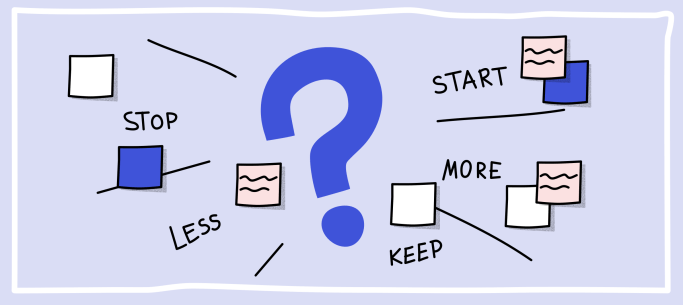
As you all know I have been running retrospectives for several years and I can say I had the chance to learn from awesome facilitators during this time. Today I’d like to share with you my top 3 learnings.

Focus on the actions

In the end the success of a retrospective is measured by the quality of the resulting actions. Therefore it makes sense to invest a decent amount of time in discussing them and ensure alignment. A common mistake is to spend way too much time in the problem solving phase, which unavoidably force us to speed up to define the actions.

If in a 1:1 coaching session the recommendation is to invest a 80% of time to discuss issues and 20% to jump to action, in team retrospectives I’d adjust these percentages in the following way:

  • 10% to share the agenda and make sure everyone is present in the meeting (check-in)
  • 60% dedicated to raising problems and discussing them
  • 30% dedicated to action refinement and feedback

In order to get to quality actions I suggest:

  • Less is more: it’s better to leave the room with one good action rather than three regular ones.
  • Do not hesitate using extra frameworks such as effort-value charts.
  • Use the soup retrospective to help the team understand what are the areas where the team can control and the areas where the team can influence.
  • Using the SMART approach (specific, measurable, achievable, realistic, time-based) after the voting session.
  • Measure alignment: making sure we all have the same understanding on what should happen.
  • Have a clear DRI (direct responsible individual) over leaving it to the entire team

FOSTER DIVERSITY

A game changer for my retrospectives was to find ways to bring up the best of what’s already in the room. Based on the believe that wisdom lies within the team, it’s on our interest to make sure all ideas blossom. Everyone has great knowledge on how things should look like, however, when we simply ask “what can be improved?” certainly there are many aspects that can be easily left out.

Ways to foster diversity:

  • Show a video that can serve as a metaphor during check-in phase.
  • Draw the latest iteration.
  • Ask open questions related to the vision: what is the best team you’ve ever worked with? what was present there?
  • Run a previous hopes&concerns session.

You can think of it as giving a lantern to the team and ask them to look left, right or in any specific directions before jumping into a broader question.

ENSURE PRESENCE AND CONNECTION

The hybrid format brought up an underlying problem in many meetings and is that easily we lack the team members engagement at some point during the process. As facilitators it’s on our best interest to make sure to reach high levels of participation so that quality discussions happen.

Since it’s very likely that our colleagues have concerns or out of scope thoughts distracting them, it’s a very good idea to do something to help them be present. Here are some possibilities:

  • “Pass the ball” and just share something quick related to the latest iteration, for instance, a rating from 0 to 10, also metaphors can work wonders here.
  • Do not hesitate using the ‘liberating structures’ (an example here). For instance, it can be a good idea to run a “hopes&concerns” 5 minutes chat with just one of the team members and then bring scale up the group until you reach all attendants. In this way, people will feel aligned an connected.

Summary

Retrospectives are unpredictable in many ways, however, I strongly believe that:

  1. Ensuring presence and connection
  2. Creating diversity.
  3. Focus in reaching quality actions.

Will work wonders to bring your retrospectives to the next level.

The importance of being strategic

Did it ever happened to you that you invested efforts and by the end you did not get the expected outcome? Regardless of our position in the organization it’s always a good idea to have an eye view on what is going on, so that we can pull the right triggers to achieve the desired result. Furthermore, being aware of the cost of opportunity in everything we do will help us prioritize and make an efficient use of our time.

How to reach a certain goal?

Let me share with you the GOATA approach. Being strategic is all about mastering the how we reach a certain goal. If we do a breakdown it would look like this:

  • Goals: what is it that we are trying to achieve? what is the vision?
  • Objectives: what are the steps that will lead us to that goal?
  • Awareness: where are we playing? what is it that has changed? what is it that can help us?
  • Targets: How do we measure our progress?
  • Application: what are the actual actions in place?

AN EXAMPLE OF BEING STRATEGIC

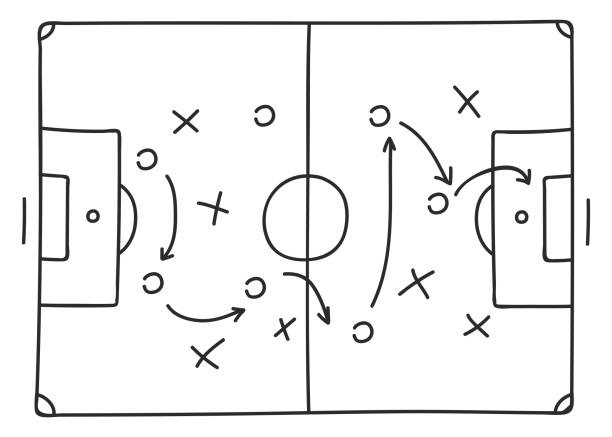
Sports provide a very visual example on what being strategic means. In order to make the most out of it, we need to get eyes on the overall game, seeking our best next move, so that we can maximize opportunity and generate impact quickly.

Since images matter more than words, here is an example of how a few professional football players score versus 100 kids:

Keep it healthy

Once we get multiple tasks it’s easy to fall into the hard-working or action mode, however, I invite you to think twice before rolling up your sleeves. Running flat out might bring you some quick wins but will be detrimental in the long term. Your goal is to achieve a healthy sustainable working pace that aligns with your inner balance with your hopes and needs.

Work smart, not hard, my friend :)

Product Roadmaps – Book Review

Here you can find attached my learnings from ‘Product Roadmaps Relaunched – How to set direction while embracing uncertainty’.

What is the book about

Written by:

A good product roadmap is one of the most important documents of the organization, as it helps align stakeholders around product goals, giving a visual representation of a strategy. ‘Product Roadmaps’ comes to provide a detailed summary considering all aspects to be considered when designing one.

This is a book mainly addressed to product managers, but also useful for other roles who need to take care of the roadmap in order to communicate and manage expectations.

wHAT i LIKED ABOUT THE BOOK

  • It consistently works on the mindset behind product roadmaps. Stating clearly that a roadmap is not a project plan. Plus it goes to the why, talking about the importance of aligning it with the company’s vision and mission. The book explains how the themes and subthemes of our roadmap need to relate to the objectives that will in the end push toward that product vision.
  • The holistic approach when defining the contents of the book makes it a very well-rounded book. Plus it makes it easy to collect ideas fast with minimal effort. You can perfectly skip some pages and still get a lot of value out of it. Its combination of tools with ‘light theory’ provides a healthy balance that makes this book compatible with experimented experts and also beginners in the product management world.
  • The format is extremely friendly. It clearly aims to cover many user cases so that you can get the answers that you are looking for, and it makes it with images, charts, tables, etc. It makes the book very clear and easy to read.

What I disliked about the book

  • Although I understand that the product roadmap is quite a broad topic by itself, the way the contents are distributed around the book feels quite random. It would be nice if the authors had found some way to make it a bit more sequential. For instance, chapter 3 ‘gathering inputs’ could have been followed by chapter 8 ‘achieving alignment and buy-in’, and later on chapter 7 ‘prioritizing with science’.
  • At some point, I believe this book is not pragmatic enough when not mentioning at all engineering or the actual development teams, who are the ones responsible for making a technical assessment and setting expectations in the first place. I would have appreciated greater clarity on how all parts contribute to the roadmap rather than focusing on the product side only.

Summary and rating

This book handled multiple aspects of the roadmap in a very detailed manner, covering delicate topics and considering the different stages from ideation to the actual roadmap plotting. Clearly written and to the point, it’s a book that almost anyone can benefit from, however, I would have appreciated a better index and a natural involvement from the development side when defining a roadmap. If roadmaps are an interesting topic for you and your everyday life, I totally recommend this book.

Rating 4/5

The Hackathon Experiment

Last week we run a Hackathon experiment at my company. The overall experience was a blast, it was my first time in an event this kind and honestly, it’s hard for me to understand how these sort of events do not take place more often everywhere. Here you can find what I learned from it.

First of all, what is a Hackathon?

A Hackathon is a collaborative engineering event where domain experts join efforts to come up with experiments in a relative short amount of time, usually 24 to 48 hours.

Gigantic ROI

Companies in general seem to be afraid of running this sort of events as in the end we are talking about tons of working days that are not invested in “what we are expected to do” so, why doing it?

Team Building

It was amazing having most of the team together in one place for an extended period of time without daily operation interruptions. We all had the possibility to interact and develop with different team members than the ones we usually do. By bringing our best into the group, the bonding level within the team became even stronger.

Creativity

Running this hackathon was another demonstration that wisdom lies within the team. Everyone had amazing ideas to bring the product to the next level. The end results shown a great variety of results and lots of ideas can now be taken into consideration for the final product.

Passing the ‘I don’t see it’ threshold

Sometimes talking about it or sharing slides it’s not enough, you need to spend a minimum amount of time to shape and make that idea real so that everyone can understand it better and get the deserved buy-in.

Actual Progress

It’s amazing to see the progress a team can do within a short amount of time. In most of the cases we can consider the work done as actual progress that can definitely be incorporated in the long term plan.

Increased Product Engagement

One of the things I love from the game industry is the level of passion of everyone around. When running this sort of events this passion connects with the product at a deep level, everyone has a much better grasp about the product and its potential behind.

PRODUCTION LEARNINGS

As said before one of the learnings is that is very interesting to see the progress teams can do in such a short amount of time. It shows multiple things:

The power of focus

By removing distractions and creating momentum, we are providing the environment where great progress can emerge. It’s also a demonstration that pair programming works well for exploratory projects.

No requirements experiment

Interestingly one of the factor that changes in these productions is that the communication between ideation and implementation is immediate given that ideation is run by the same developers in many cases. This means that the time invested into defining requirements it’s really minimum, and what really matters is the discovery process, adopting a more agile approach overall.

The time invested into defining requirements it’s really minimum, and what really matters is the discovery process, adopting a more agile approach overall.

About the hybrid format

In our case some team members could not come into the office for the event. Although they could fully contribute at every level in the same way, I still feel it’s an organizational challenge to make them feel as if they were in the office.

Conditions FOR success

Finally I’d like to share my view on what I consider were the keys for success.

With freedom comes great responsibility

The whole event was running very freely. All we were asking was for ideas minimally related to our product. During the event I got the feedback that when they felt so much freedom, they also felt the responsibility to come up with something valuable.

Product strategy

I saw other hackathons where the organizing team was trying to influence the proposals by incentivizing somehow. For instance: we are looking for the best solution to increase engagement. By bringing a push into certain goals we might be missing the cost of opportunity, and many good ideas might never see the light.

My takeaway here is that is good to share about the product strategy so that everyone can consider it during the ideation process, at the same time keeping the freedom spirit to blossom ideas in any other direction.

The right time

It’s important to be strategic and intentional in terms of timing. You don’t want to break the focus in the middle of other developments.

Great team

Fortunately in our case we were counting on mature senior teams with great ability to self-organize, ideate and a strong determination to bring ideas to completion. These are really important ingredients to make the recipe work, the credit goes to them!

Between maintenance mode and execution mode

One of the goodies of doing coaching sessions is that is a constant reminding/learning you get from the coachee. In this case it was about the self-awareness on the current status and seeing yourself as a whole so that you can respond better to your needs.

Maintenance mode

We can say that we are in maintenance mode when we need to focus on ourselves. As you can imagine here there is not much action towards the outside but there is really a lot of work going on internally. Here we are talking about giving ourselves the time needed to process any changes that come into our life, get clarity on the vision, mission and purpose, so that we can come up with an overall better approach by the end.

To sum up here there is no action but we are more focused on the being, who are we being and who do we want to be. Being conscious and intentional.

Execution mode

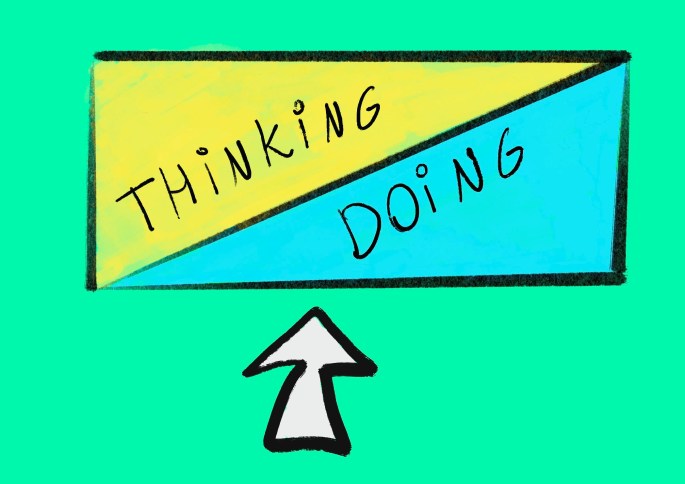
If maintenance mode is lack of action, execution mode is all the opposite. There are times that we are not looking for clarity, we know what needs to get done, at that time there is no benefit for us on being reflective or strategic. What we need is to jump to the arena and play our move.

Please note that a clear risk of being in ‘maintenance mode’ is getting stuck in the thinking. There is that saying that says:

better done than perfect

And there are times that we want to make it so extremely good that by the end you do nothing. Sounds familiar? ๐Ÿ˜‰

The right balance

We have been learning about what maintenance mode and execution mode is. Now, what is the right balance? Is it a black or white matter? Circling back to the beginning of the post, I believe it’s all about responding to your very moment needs. Here I invite you to listen to yourself. If there was a story about yourself in a book, what is the title of your current chapter?

There is really not a better approach than the other. While we are in execution mode we are giving up on being more strategic and smart about the execution and the other way around, while thinking we are not doing. It sort of makes sense to think that the right balance is in finding the inner pace where these two phases complement themselves in an organic way.

My Experience

That was my experience also as a coachee. When defining actions to move forward, I found myself constantly balancing between ‘maintenance mode’ and ‘execution mode’, as if I was walking and each feet represents a different approach.

By the end of my coaching process I adopted the approach of measuring myself weekly and changing the gear as if I was a car. Should I go at top gear next week? Or should I take it easier?

An Invite

Now I invite you to think about it. How should your day today look like? should you be closer to maintenance or execution mode? And next week? And the next year?

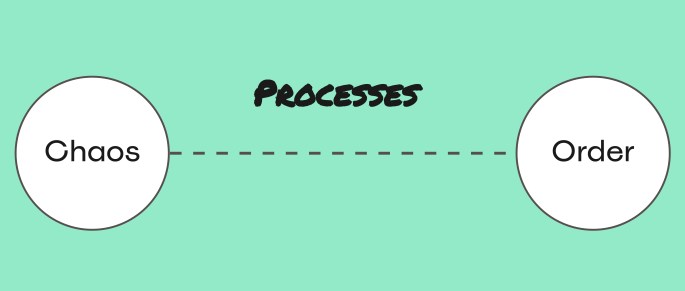
Processes: Between Chaos and Order

What is a process?

A process is any kind of event that takes place with the purpose of giving structure, it could be a document, a meeting, or simply an action among a few individuals with a specific outcome.

When should I review my processes?

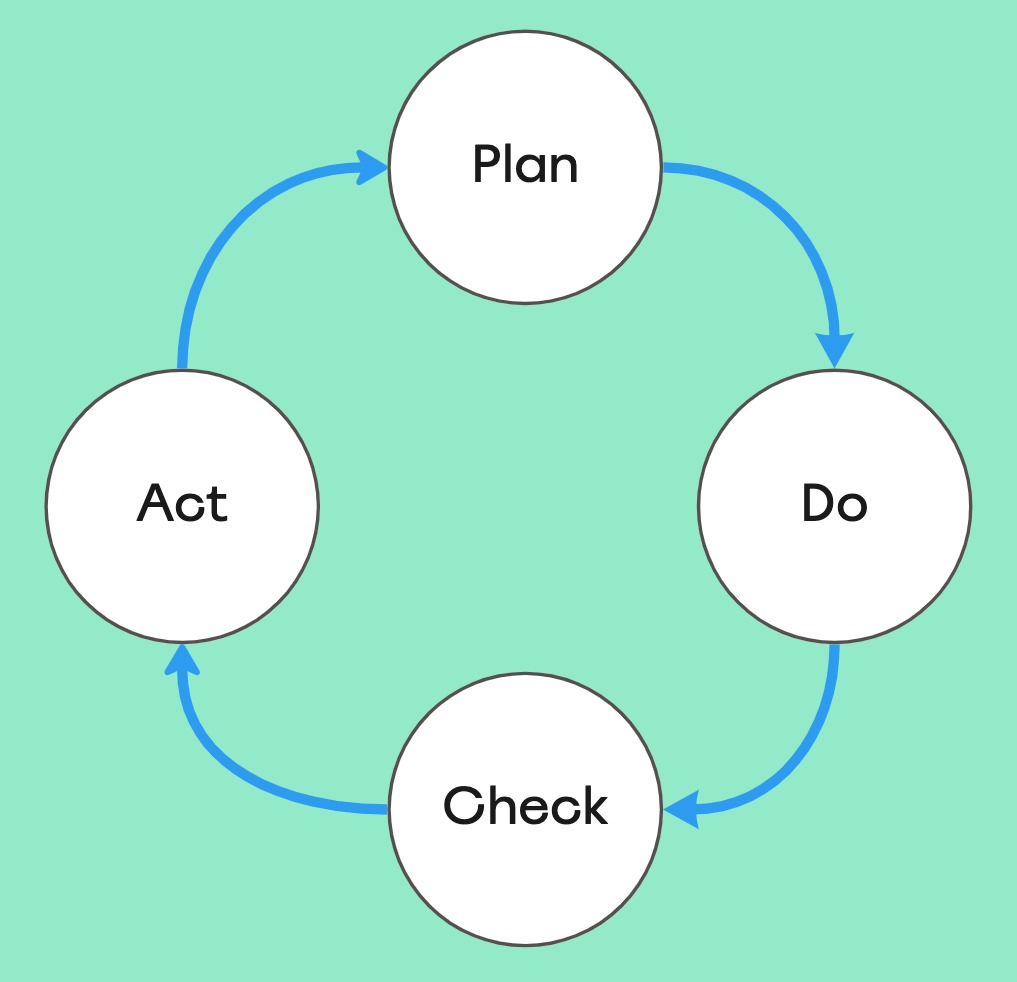
Constantly. Given the self-evolving nature of any organization and their needs, it’s natural to adapt processes continuously. Here I would invite anyone to apply the PDCA cycle based on: plan, do, check and act.

Introducing processes: a delicate balance

Processes come into place to establish order and remove uncertainty. At first sight one may think that of course we want as much order as possible and therefore as many processes as possible. However they come at a cost. Introducing processes by definition will bring constraints and boundaries in all operational aspects, reducing the margin for adaptability and flexibility in the organization. Therefore we need to target the right balance considering:

  • What is it that we are trying to solve?
  • What is the benefit hypothesis?
  • How is it being done right now?
  • What is the buy-in for a change?

For this reason I highly recommend working with more people to brainstorm ideas and come up with better solutions that are tailored to the organizational needs. There is no one for all.

So, how would the processes for introducing processes look like?

  • Problem framing: what is it that has changed? where is the problem? why? let’s make sure we have the full context.
  • Brainstorming: let’s gather ideas to solve the problem and come up with a proposal.
  • Selling: to get organizational buy-in before implementing.
  • Landing: phase where all processes fall into place, can be a sudden change or gradually.
  • Operating: here the process reach its full potential and it’s deeply understood by everyone.
  • Evaluating: here we are in a position to do an assessment and iterate.

In my experience

Between boredom and freedom

I have witnessed how extremely well structured organizations led at some point to boredom and messy organizations came with a feeling of freedom. More than that, it’s proven that teams are more efficient when the right balance between those two extremes is met.

The ‘too many meetings’ syndrome

It’s interesting how in many organizations the same problems or sayings repeat, in this case the ‘too many meetings’ one. Here I would kindly invite to dig deeper: what meetings? and do an exercise where we classify them with their ROI in team members eyes and understand exactly where is the leak in the process so that we can adjust accordingly. Is it in the contents? is it in the format? In the end, no one loves meetings or rules but we need them due to the value they provide.

Help understand the purpose

There are times that teams miss the final goals. It’s never enough of sharing the purpose of a process. A classic one is the daily standup, which only purpose is for the team to sync and not a reporting one. Does it feel natural sharing what you did yesterday? does it bring any new information to your colleagues? if not, skipping it’s fine.

Meet them where they are

Before helping others understand it’s important to understand them in the first place. How are they perceiving their current processes? What is the culture? for any implementation to be successful you need to connect at a deep level before applying any change.

It’s all about value

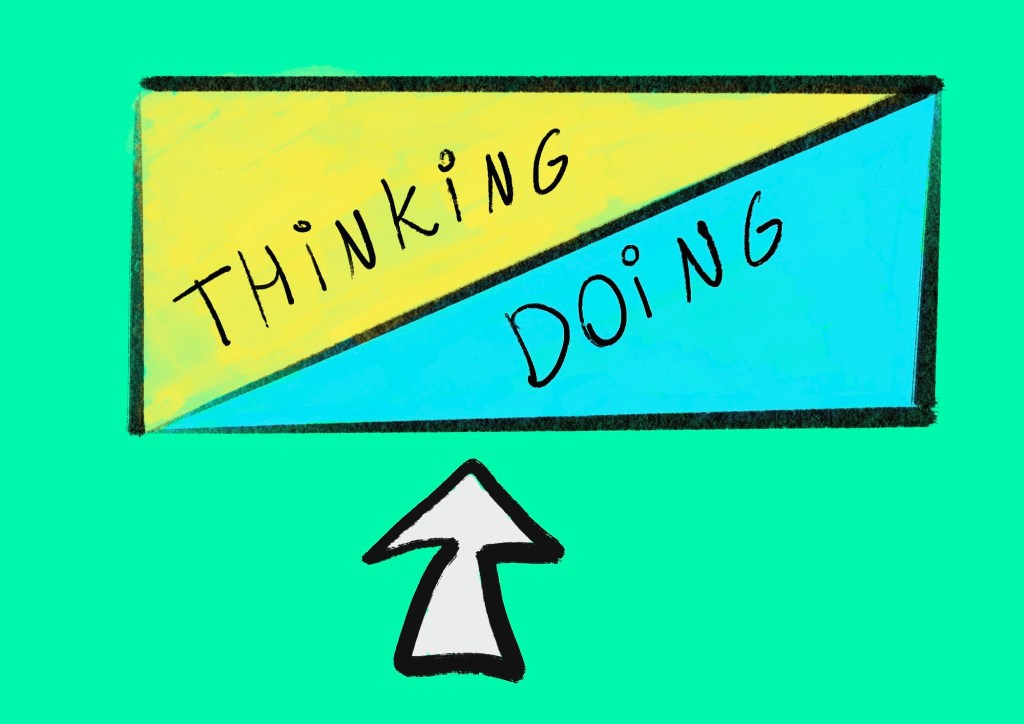
If we do the metaphor of an organization as a person, I like to think of processes as the brain organ. Certainly we don’t produce while having a meeting or creating a document, at the same time we need that to make sure we are having the correct approach or going into the right direction. And here I invite you to think: is your organization too focused on the thinking mode? or is it running just flat out?

To understand if we are ‘too much’ into one direction or the other, we need to come back to the purpose: how is it helping me deliver more value? We should always be able to answer that question when introducing or modifying a process.

Improving your processes will help you organization achieve increased levels of engagement and efficiency, reaching a higher sustainable development pace.

MeetUp: Company Agility in Action

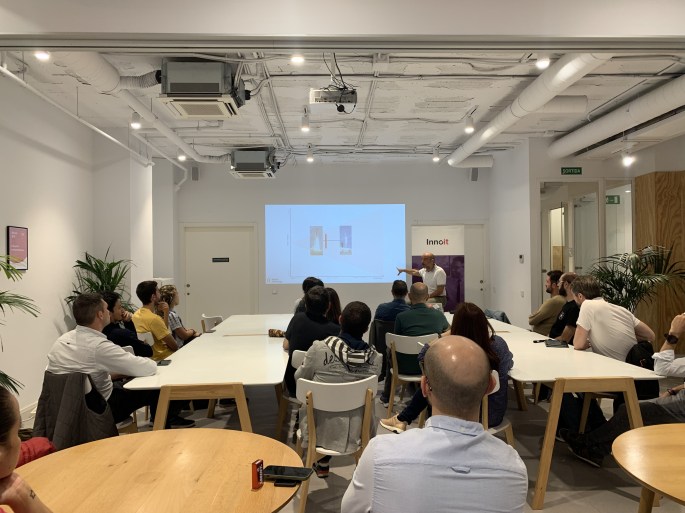
Last Wednesday I had the pleasure to attend a meetup event about agility organized by InnoIT in the center of Barcelona. The goal was to share tools that supported multiple organizations in their agile journey. So, what’s there?

1. Wardley Maps

The Wardley Maps come up as a solution to measure the organization’s capacity to anticipate technological change, demographic change or how user’s preference it’s going to impact us.

If you check out the web page www.learwardleymapping.com you’ll see they have a video that explains briefly what the wardley maps are about. As you can see we categorize each part of our process into the uncharted – industrialized axis, while on the Y axis you can see how we target our purpose strategically.

I found it extremely powerful in the sense that it obligates you to position your product and visualize your business strategy and creates awareness of the weak points and strenghts around it, so that you can adapt better as information emerges.

I really enjoyed this article which explains very well how can you operate based on that framework: https://medium.com/@hendrik_esser/fit-for-purpose-e442b9015ec7.

2. Flight Levels

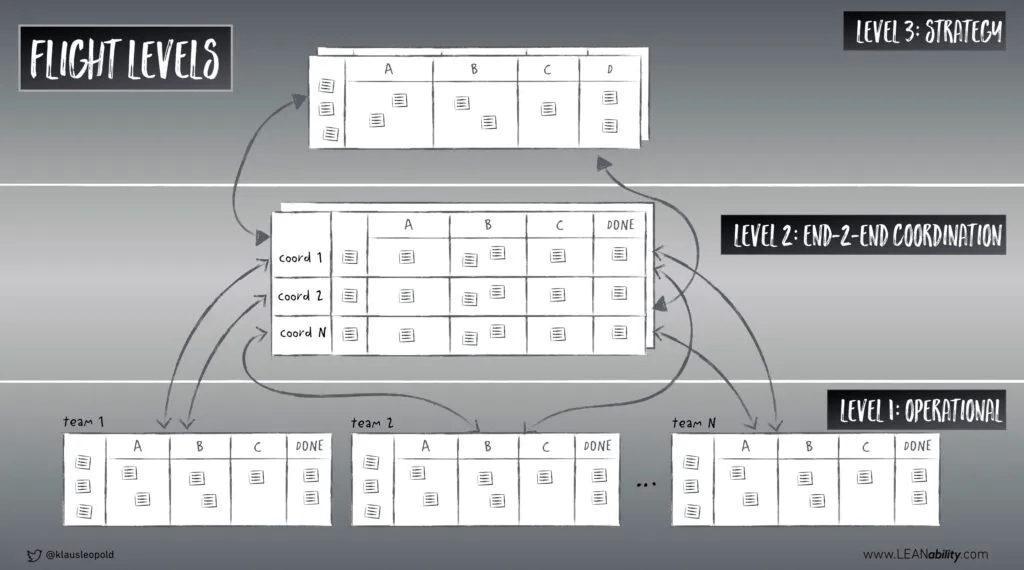
Flight levels come in from the point that ‘agility is not about teams’. What this really means is that it’s more than that. Of course agility it will end up affecting the way teams work, however it should be the starting point, we need to see how agile we are at a strategic and end-2-end coordination level and here is where Flight Levels jump in.

If you are still interested in knowing more about flight levels I would recommend you to watch this video:

And buy this book from Klaus Leopold, as I just did ๐Ÿ™‚

3. OKRs

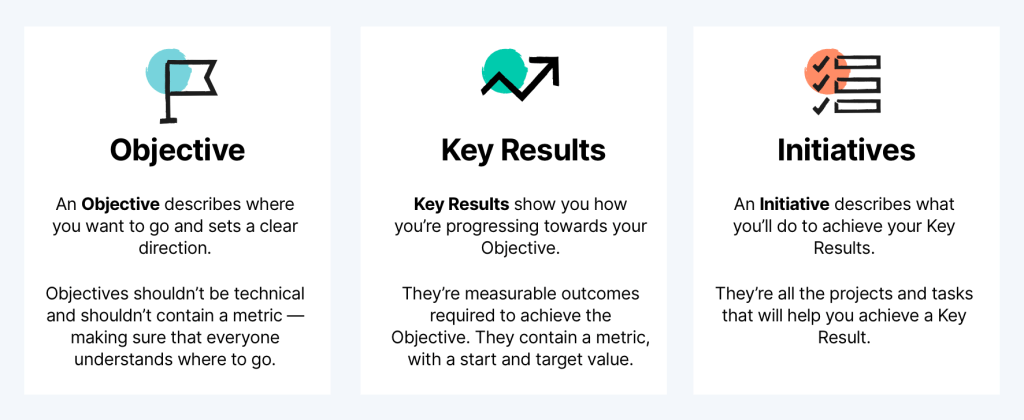
I assume this is by far the best well-known tool from all so I won’t expand myself much. OKRs are meant to set a desired target state and find ways to measure our progress towards it.

In this website you’ll find some practical examples of how it works: www.whatmatters.com

4. EVIDENCE-BASED MANAGEMENT

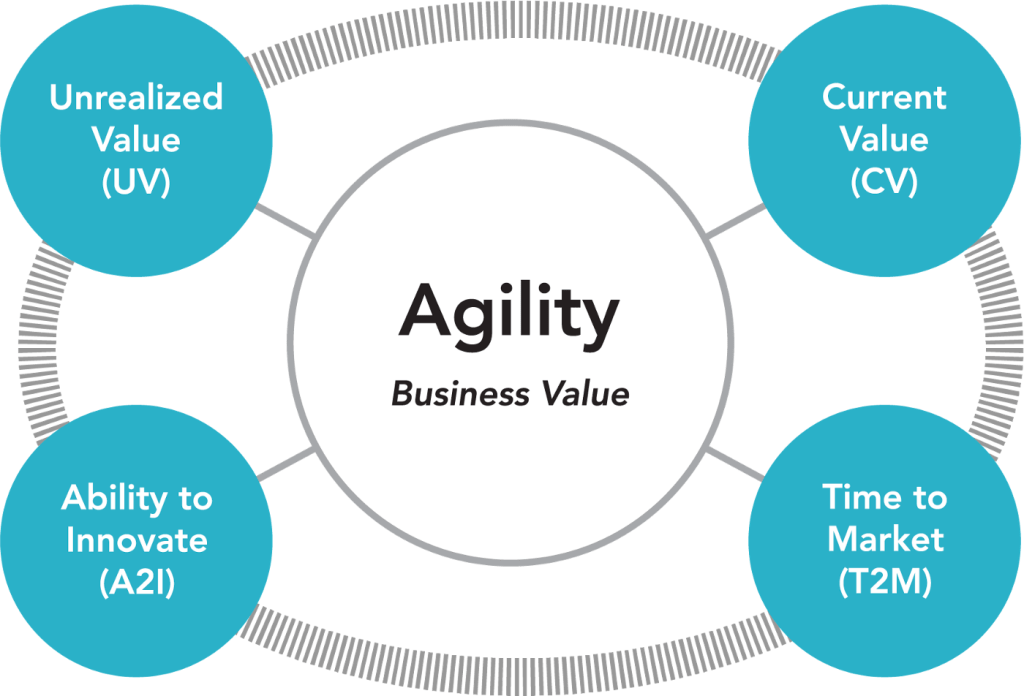
As you can see Evidence-Based Management goes around the idea of focusing on customer outcomes (top axis) and organisational capabilities (bottom axis) to make better organizational decisions.

As you can see in this video:

One of the goals of evidence-based management is to ensure we capture all evidence by following six steps:

  1. Ask an answerable question to help you identify problems or possible solutions
  2. Acquire relevant information or evidence that will answer that question
  3. Appraise the quality of that evidence for its trustworthiness
  4. Aggregate the evidence by summarizing or pulling it together
  5. Apply it to the decision you are making
  6. Asses the outcome of that decision

I think the video explains quite well what the approach is, still, if you are interested in learning more, there is also this book available in amazon.

5. F4P

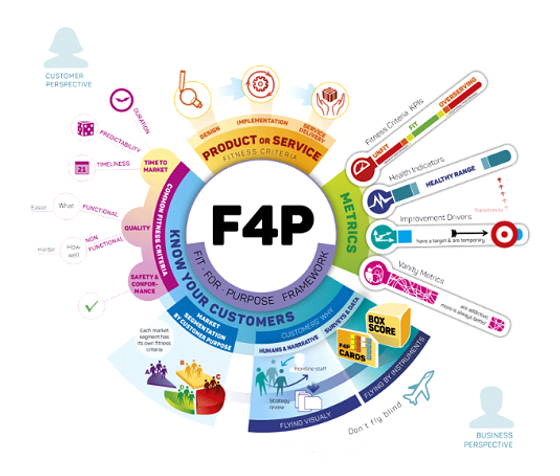
Fit for Purpose goes around the idea that in agile there is no “one fits all”. Here we are looking at our product from different angles:

  • Product
  • Metrics
  • Costumers

And we can go into deep to analyze how well we are performing at each front. An excellent example that they put was that for instance if you go in business class and they are constantly bothering you to offer you things the overall experience it’s ‘unfit’, within the fitness criteria metric.

To be honest it was not straightforward to find a video or explanatory site around the topic. This is the best I could find:

Recommended Bibliography

Summary

The meetup was very valuable to me. To be honest it was the first time I heard about the Wardley Maps and Fit for Purpose framework, plus it allowed me to have a better understanding on evidence based management and flight levels.

It is also true that during a meetup you really don’t have the chance to go deep into any of the topics, putting real life examples and discussing them with the group. Again, I think the goal of the meeting was accomplished which is to share and give an overview of the tools therefore I am grateful I could be there. Thanks Jerome!

Moving to a Coaching Direction?

Where to start

If you research on the topic you will notice that there are multiple coaching courses and related stuff such as NPL, agility, etc. You may wonder: “what is the first step?”. According to experts who have been taking many courses, they all recommend to first lay the foundation by taking an introductory coaching course, which will serve you as a starting point, plus it may cover significantly what can be taught in many of the other specialities somehow.

International coach federation

One of the first things you will notice when looking for coaching courses is that many of them will show that they provide ICF certification. ICF stands for International Coach Federation and in their website you can easily find trainings to become a coach: https://coachfederation.org/.

Please note that third party training providers will require an ACTP accreditation in order to provide ICF trainings, which is another term that you will see when checking for courses. Here you can find the ICF trainings page, in case you are interested to learn more.

In Spain we have ASESCO, which stands for “Asociaciรณn Espaรฑola de Coaching”, you can also find it when checking for courses.

AN IMPORTANT QUESTION

An important question before moving forward is: "are you looking for individual coaching or team coaching"? I am asking this because some of the courses will be oriented to individuals, while many others will be oriented to teams coaching. In any case there are 2 things that are true:

  1. Many coaching schools will target both approaches with multiple courses.
  2. Whatever you learn in one of the approaches, you can apply it to the other one.

To simplify the information, I’ve structured this post in two parts: individual coaching and teams and organizational coaching.

Individual coaching

There are multiple individual coaching methodologies and schools. They all share a common background. Here I will refer to co-active, which is the one I did.

Co-Active Coaching

If you are curious about what does Co-Active Coaching mean, you can find one of the best definitions in the book: Co-Active Leadership: Five Ways to Leadย by Karen Kimsey-House and Henry Kimsey-House.

“At its most basic, Co-Active means simply โ€œbeing in actionโ€ฆtogether.โ€ Or perhaps it might be more appropriate to say โ€œbeing togetherโ€ฆin action.โ€

As the pace of our lives has quickened, we have become increasingly action-oriented and results-driven. It seems expedient to dispense with all the โ€œsoftโ€ stuff (being) and instead just push to โ€œget the job doneโ€ (doing). Unfortunately, this leaves us feeling disconnected and desperate for meaning and belonging. We wind up with what we might call โ€œthe hamster wheelโ€ experience of life, as we run around alone in circles, desperately trying to get things done, only to find ourselves right back where we started.

This is why it is so important to begin with the โ€œCo.โ€ Action arising from this place of being and receptivity is whole and integrated, rather than disconnected and driven. In order for us to experience life as whole, action must be grounded in being, in our sense of connection to a larger wholeness.

When theย Coย and theย Activeย go together, the action of our life is nourishing and fulfilling.”

If you want to know more about it, here you can find the Co-Active Training Institute program and the book Co-Active Coaching: The Proven Framework for Transformative Conversations at Work and in Life. Co-Active Institute led a good amount of coaching training with great reputation. I did it and I cannot recommend it enough.

NLP Coaching

NLP refers to Neuro-linguistic programming. NLP could be defined as the methodology that allows us to unleash our inner potential so that we can bring change to life in our lives. A further and greater definition can be found here.

In this category, we can usually distinguish three training levels:

  • NLP Practitioner: basic theory and practical experience to understand and use the PNL methodology in the areas of human behaviours and abilities in general.
  • NLP Master Practitioner: This course contains 100% new information, and builds on top of your already existing skill set learned in NLP Practitioner. This training will provide you the most powerful NLP techniques to become an effective life coach.
  • Trainer’s Training: here you will learn and practice the techniques to teach any theory or practice efficiently using PNL tools.
NLP Programs

Instituto Neuron

Based in Barcelona with great reputation, leaded by Allan Santos and Alex Roca. For those who doesn’t know him, Allan Santos is an international reference with great knowledge and expertise in PNL. He has published the books “El Libro Grande de la PNL” and “El Camino Hacia Uno Mismo. Una Introducciรณn Prรกctica a la PNL“. You can find the courses they offer here.

Global NLP Coaching

Based on Amsterdam, Bali, Los Angeles and Miami Beach, provides one-week on-site trainings. Very well detailed. Link here

Shiny Unsal

ICF Accredited online and on-site trainings licensed by Richard Bandler, co-creator of NLP. More information here.

ENEB

Probably not the best one but still worthy considering as an online choice. Check the link for more details.

Crearte Coaching

Certified by American Union of NLP (AUNLP), Crearte Coaching offers a great amount of courses related to PNL, coaching, leadership, emotional intelligence and more. You can find more information here.

Other individual coaching courses

Another recommendation for me is Instituto Superior de Coaching. They target multiple courses with great background, a good option no matter if you are looking for something broad or very specific.

Further than that, I have reached other schools such as Cegos and Centro del Coaching, however, I do not have reliable references at this moment.

TeamS and Organizational Coaching

Organization and Relationship Systems Coaching

The ORSC training develops a methodological base, tools and dynamics that allow the coach or facilitator to access that invisible body, the organizational or relational system culture and make it explicit, so that the team and the people who are part of this gain trust and open up to deeper information that allows them to develop their full potential. Given its systemic approach this course is recommended for coaching teams and organizations.

Video – Introduction to ORSC Coaching

ORSC PROGRAMS

The ORSC program gives you tools and practical skills from the first day to use the conflict as a generative force helping the organizational or relational systems to take the next step in their task, without forgetting the care of the people.

The most interesting I found was at Arise, driven by GreenLightGo, here you can find the links for more information.

Link to the Brochure

This program offers a complete program of training in systems coaching, developed by CRR Global (Center for Right Relationships), accredited internationally by ICF as ACTP (full competence).

Bridge

Another relevant school that works on relational models is Instituto de Comunicaciรณn leaded by Alex Galofrรฉ and Ferran Ramรณn Cortรฉs, authors of the book “Relaciones que Funcionan“, available here.

Bridge is a model that helps to relate different styles by identifying each point of view in the map between: active, rational, emotional, and reflective, classifying it accordingly. This latest classification will, later on, allow us to perform the right approach to the other person or team style accordingly, treating them as they want to be treated.

This can be applied in many contexts: communication, assertiveness, conflict, motivating, leadership, etc.

Sikkhona

Sikkhona offers an analytical team approach where the strengths and weaknesses of the team highlighted. This first diagnostic will be followed by multiple sessions designed to support the team needs. Here you can find some pages about it:

AGILE COACHING

Agile Coaching also relates to team coaching, however, this area it’s so broad that it would require an entire chapter. At it’s core it’s all about supporting the teams to adopt an agile mindset to deliver value with an adaptative approach. For those who are not familiar, working frameworks such as Scrum and Kanban relate to this approach.

Here you can find the most well-known certification organizations:

LEADERSHIP COURSES

If you are getting started into team coaching and the courses above feel somewhat advanced for you, I would recommend you to look into leadership courses first. In my case I did one at Foment Formaciรณ (Barcelona) that I really enjoyed. Another alternative is the leadership training offered by the Co-Active Insititute, which is quite extensive and deep.

Summary

As you can see there is a wide variety of options when moving to the coaching direction. I hope this post helps you find options according to your area of interest and moment in your life.

The courses and programs shared here are ones that I came across in the last years, however, I am convinced that there are many others that are worthy out there. If you ever heard of other relevant courses please do not hesitate sharing them with me!รง

Thanks for your time!

Want to destroy your relationships? Here’s how

We are all different, each relationship it’s unique and therefore it’s logical to think that the reasons that can destroy a relationship will be different in each case. However, would it still be possible to determine at some extent what are the common denominators that destroy a relationship?

In 1986 John Gottman started a research for 14 years with the goal of discovering the patterns that lead to a rupture. By the end of the investigation he was able to predict the relationship failure with a 90% of accuracy. So, what is it that he found out?

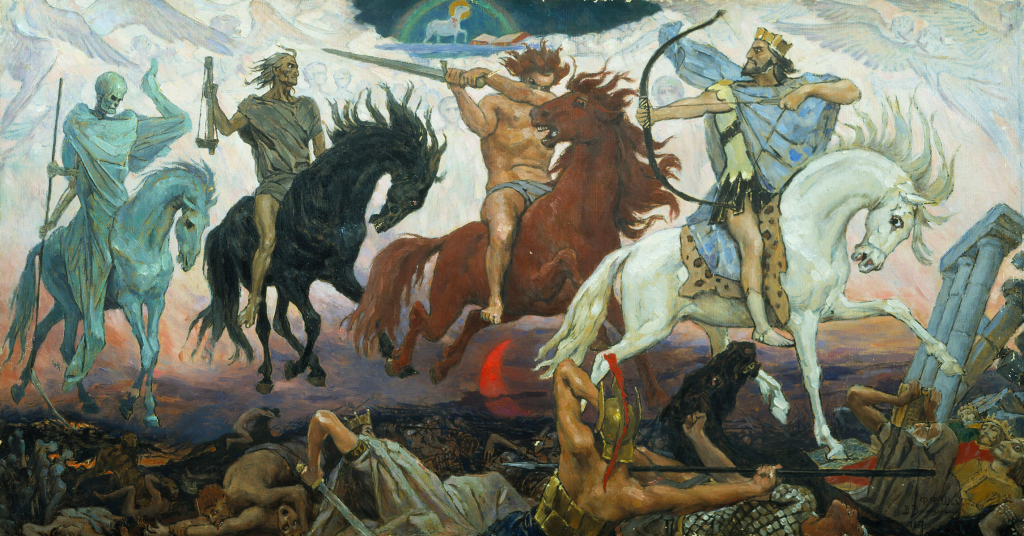
The four horsemen of the apocalypse

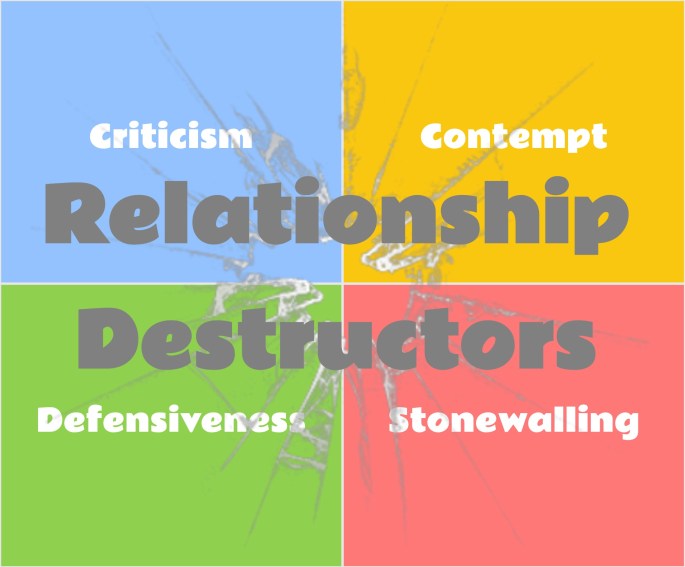
When John Gottman concluded his investigation he detected four destructive behaviors and used four horsemen of the apocalypse analogy. These are:

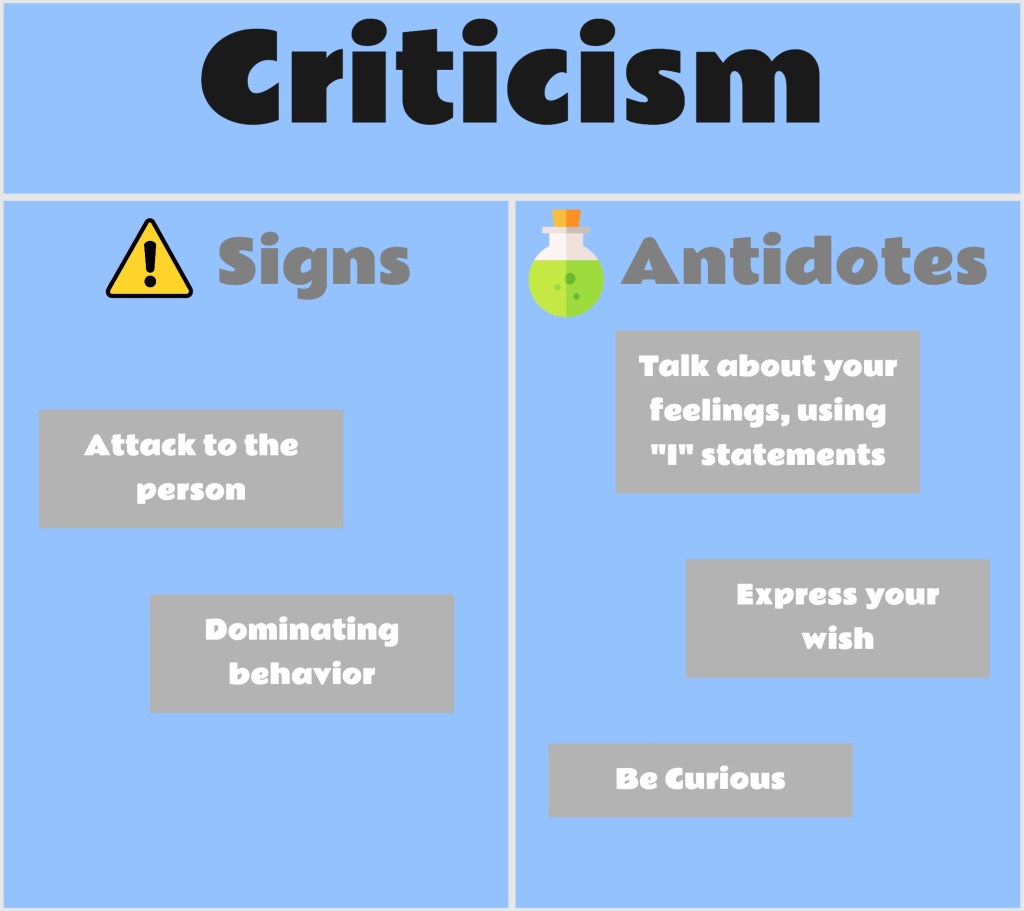
Criticism

“you always <action>”, “you never <action>”, “what is wrong with you?”, sounds familiar? Here we assume there is something wrong with others or other actions, and instead of trying to understand where the undesired behavior came from, or share our feelings, here we finger point the other, which will more likely trigger defensiveness or even another attack rather than actually solving the problem.

Contempt

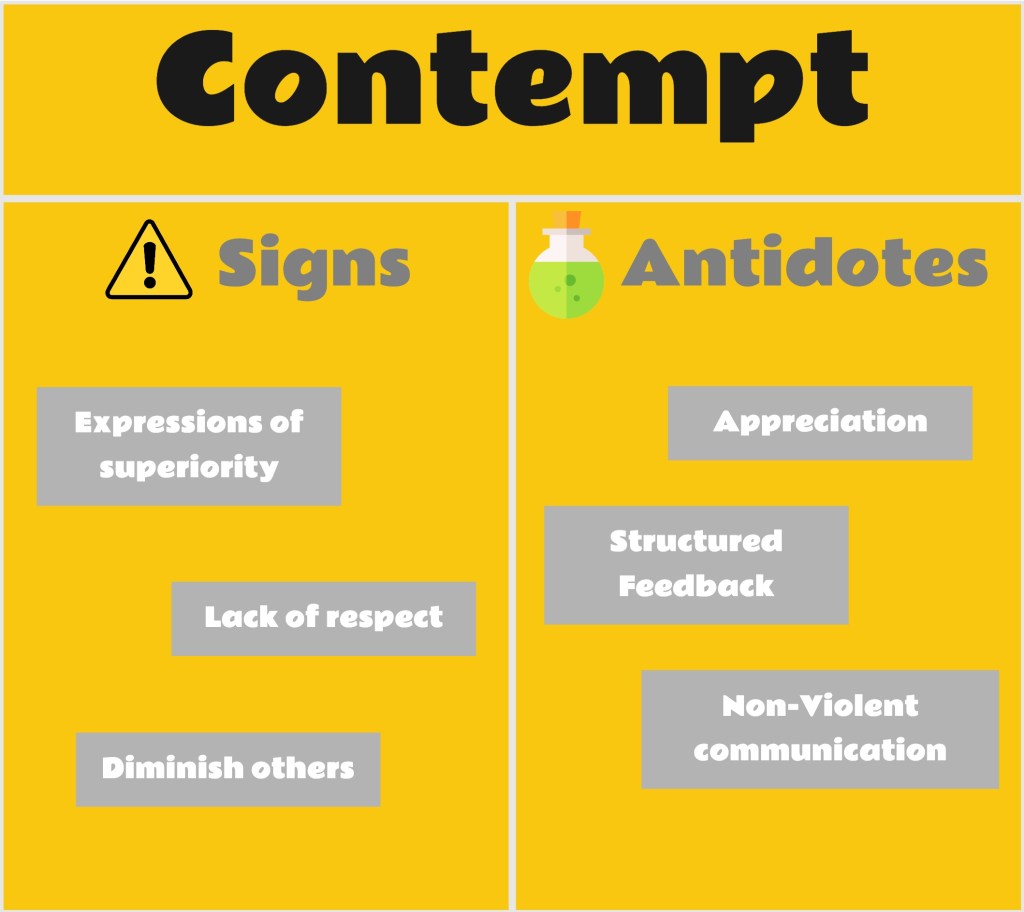
Contempt is the king of the destructors as we disrespect the other in all its splendour. With a hostile communication, we diminish the other, making him or her feel less. If the other person has a little self esteem or has a minimal will to express his/her needs, unhealthy conflict will arise with barely chances to reconcile.

Defensiveness

Here we perceive an insult, mistreatment or malice of the other, we feel injustice and we get angry. Good remedies here are be aware of when we are becoming defensive, and start to think of what is the good intention behind, so that we can find another truth besides the one we initially defend.

Stonewalling

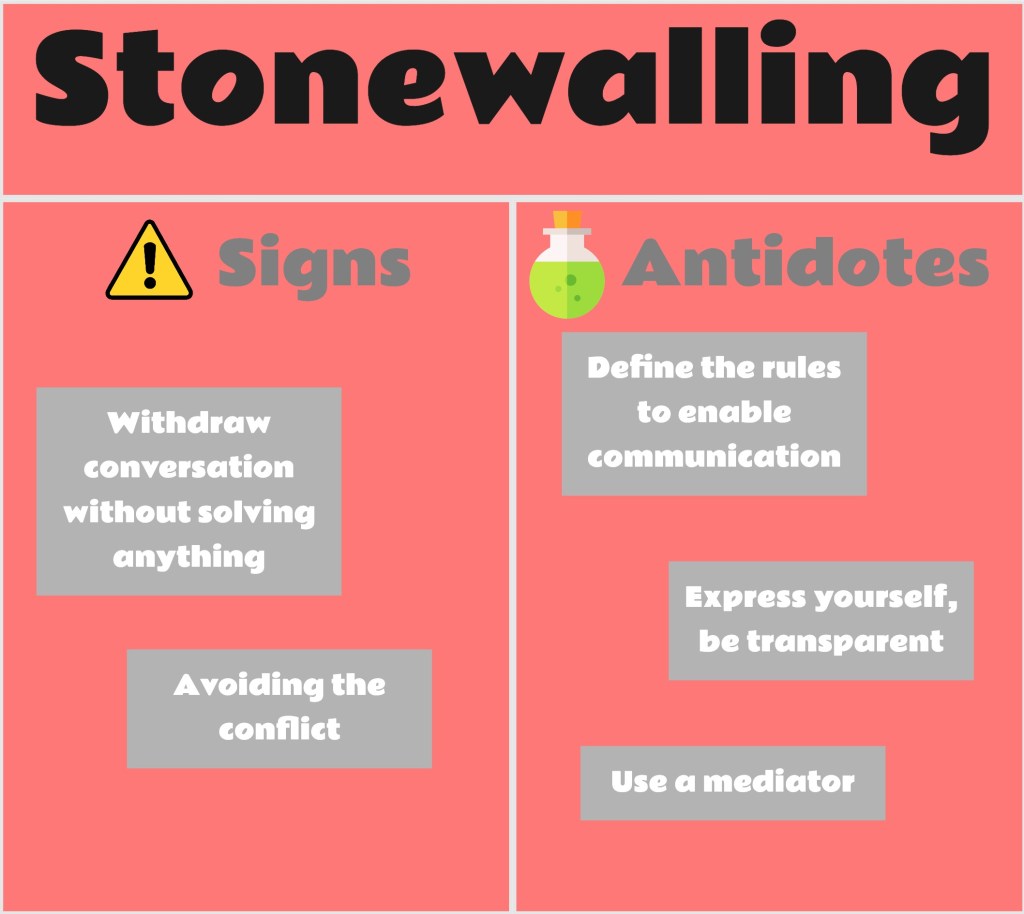
Stonewalling occurs when the conversation is unfinished or when there is no progress towards a resolution. To prevent it, define the rules that can help you express yourself, what is it that you need to be transparent? if you don’t think you can do it, you can get a mediator too.

AN INTERESTING EXERCISE

We all use to trigger at least one of the four destructive behaviors. An interesting exercise is to do a self-reflection and pick the one that you think you use the most. Then, without sharing your selection, share the four behaviors with someone and ask for feedback. Did you see yourself in the same way others see you? Being aware of it, will already be an important first step.

“There are systems that are unavoidably meant to be destroyed”

Marita Fridjhon – Co-Creator of ORSC

Related material:

www.gottman.com/about/research/

www.gottman.com/blog/the-four-horsemen-recognizing-criticism-contempt-defensiveness-and-stonewalling/